You ever lose track of time watching a dumb YouTube video? I have. More than once.
That’s not nothing.
It’s how How Does Amusement Affect Society Elmagamuse starts (with) something small, real, and weirdly solid.
Amusement isn’t just background noise. It’s the thing that reshapes attention spans. Changes how kids learn.
Shifts what we talk about at dinner.
You think it’s harmless fun. But try going a week without scrolling, streaming, or stepping into a theme park. What cracks open?
This article looks at that. Not as theory. As lived experience.
We’ll walk through arcades, TikTok feeds, amusement parks, and late-night gaming binges. Not to judge. To see what sticks.
And what slips under our skin without us noticing.
You’ll walk away knowing why your leisure time matters more than you think.
And how to spot when fun stops serving you. And starts steering you.
No jargon. No lectures. Just straight talk about something we all do but almost never examine.
Amusement Is Not a Luxury
I laugh until my ribs hurt. You know that feeling. It’s not frivolous.
It’s necessary.
Amusement gives your brain a hard reset. I step off a roller coaster dizzy and grinning. My shoulders drop.
My jaw unclenches. That’s not magic. That’s physiology.
Laughing at a dumb comedy sketch? Same thing. Getting lost in a book for two hours?
Also the same. Your nervous system stops screaming “danger” long enough to remember how to breathe deep.
How Does Amusement Affect Society Elmagamuse? It adds up. One person calmer.
Then ten. Then a hundred.
We’re not talking about forced fun or corporate “wellness” nonsense. Real amusement. Like sharing a stupid meme with your sister or shouting on a drop tower.
Builds trust. It wires people together.
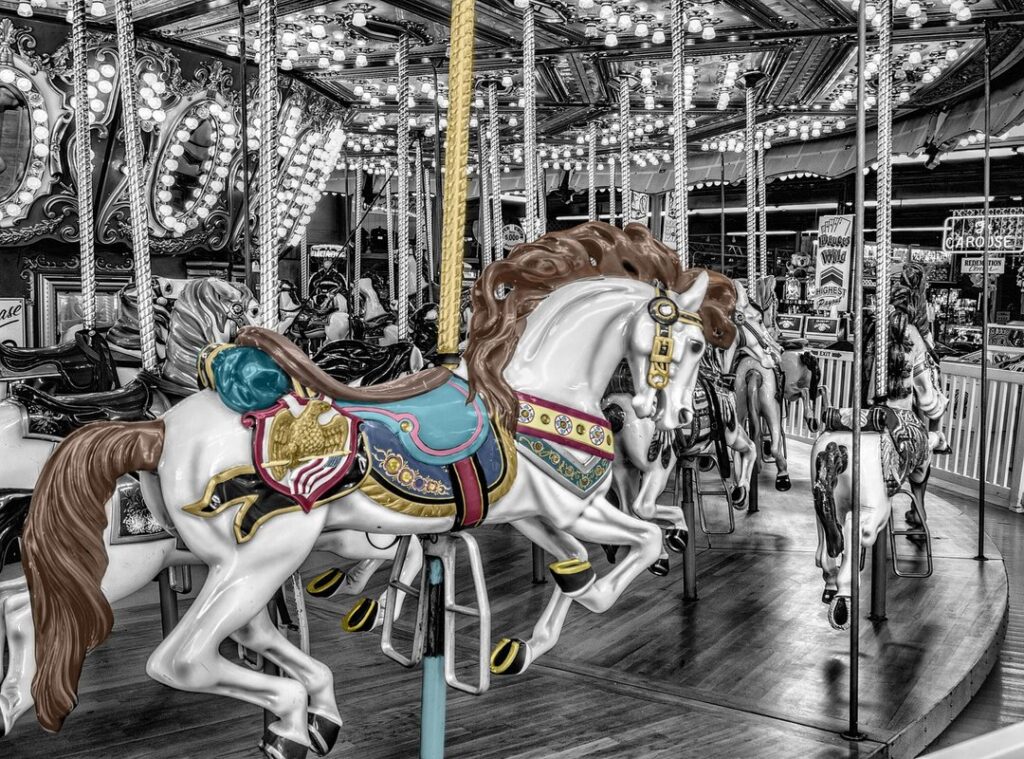
You ever notice how fast strangers bond in line for a haunted house? Or how quiet rooms get after someone tells a real story, not a joke? That’s shared amusement doing quiet work.
A less stressed person shows up better. At work, at home, on the bus. They listen more.
Snap less. Help without being asked.
That’s why Elmagamuse matters. It’s not just entertainment. It’s infrastructure for human softness.
We need more of it. Not less.
Fun Is Glue
I watch people laugh in line for a roller coaster. They don’t know each other. Five minutes later, they’re high-fiving like old friends.
Families crowd into theme parks. Kids drag parents toward the next ride. That shared exhaustion?
It sticks.
Concerts do the same thing. Strangers sing the same lyrics at the top of their lungs. You feel part of something bigger than your phone screen.
Team sports aren’t just about winning.
They’re about showing up rain or shine (and) trusting the person next to you.
Local festivals? They’re not decoration. They’re where neighbors who’ve never spoken finally share lemonade and stories.
How Does Amusement Affect Society Elmagamuse
It breaks down walls faster than any speech ever could.
I saw two teens from rival schools bond over a carnival game booth. No agenda. Just fun.
Just time.
You think it’s shallow?
Try explaining why that memory of your cousin screaming on a Ferris wheel still makes you smile.
Shared joy builds trust. Trust builds community. Community keeps us from falling apart.
Fairs, block parties, pickup basketball. These aren’t extras.
They’re infrastructure.
You ever notice how quiet neighborhoods get when those events stop? Yeah. Me too.
Amusement Pays Real Bills

I’ve watched a small town in Ohio go from boarded-up storefronts to packed diners after a water park opened. That’s not magic. That’s money moving.
Amusement creates jobs you can touch. Cashiers at arcades. Ride operators at fairs.
Sound designers for mobile games. Not just “creative roles” (real) paychecks, health insurance, rent paid.
Tourism doesn’t stop at the gate. People sleep somewhere. They eat.
They buy souvenirs. They fill gas tanks. A theme park in Orlando pumps cash into laundromats, HVAC repair shops, and school lunch programs (far) beyond its fence.
How Does Amusement Affect Society Elmagamuse? It puts food on tables. It keeps roofs intact.
It funds libraries and bus routes.
Big attractions can flip entire regions. Look at Chattanooga’s riverfront revival. Or how a single festival in Austin reshaped its music economy.
(And no, it’s not all sunshine. Some places overbuild and crash hard.)
The ripple is real but uneven. One person’s $80 ticket becomes wages for six people across four businesses. But that only works if the money stays local (and) circulates.
Want proof this isn’t just theory? Read Why entertainment is important elmagamuse (it) breaks down who actually benefits. Spoiler: It’s not just shareholders.
It’s your neighbor. Your barista. Your kid’s art teacher.
Amusement Is Not Just Fun
Amusement sparks creativity. I’ve seen it happen. People stuck on a problem suddenly solve it after watching a silly cartoon or riding a roller coaster.
Storytelling in movies, games, and books doesn’t just entertain. It tells us what matters. Think about how superhero stories shifted from lone vigilantes to teams that value diversity.
That wasn’t accidental.
New tech often starts in entertainment. Virtual reality? Built for gaming first.
CGI? Made for Jurassic Park, not engineering reports. (Fun fact: the same software used to animate dinosaurs now designs car parts.)
Amusement parks test real-world limits. Those looping coasters? They push materials science, safety systems, and crowd logistics further than most factories do.
Amusement reflects society (but) also nudges it. Drag shows started underground, then hit mainstream TV. TikTok dances spread faster than policy memos.
You feel that shift before you name it.
How Does Amusement Affect Society Elmagamuse? It’s quieter than politics, louder than ads, and way more persistent than trends.
It shapes what we imagine is possible. Then someone builds it.
You ever notice how kids’ toys become adult tools? Lego Mindstorms. Minecraft education editions.
The line blurs fast.
Want proof? This guide breaks down how amusement reshapes culture, tech, and thinking (without) the jargon. learn more
Play Changes Everything
Amusement isn’t filler. It’s fuel.
I’ve seen it ease tension in a crowded room. I’ve watched strangers become friends over a board game. I’ve watched local businesses thrive because people showed up.
Not for work, but for joy.
Stress drops. Communities tighten. Money moves.
Culture shifts. All because someone chose to play.
But not all amusement is equal. Scrolling for hours? That drains.
Building something silly with your hands? That recharges. You already know the difference.
How Does Amusement Affect Society Elmagamuse
It starts with you choosing one thing over another. Today. Right now.
You don’t need permission to walk away from shallow noise. You do need to pick one real thing this week. Music, movement, making, or meeting (that) leaves you lighter.
Try it. Just once.
Then ask yourself: Did I feel more connected? More alive? More here?
If yes. You just proved how deep play runs.
If no. Try again. Different thing.
Same intention.
This isn’t about perfection. It’s about showing up for your own humanity.
Go do that.
 Angelo Reynoldsick has opinions about expert insights. Informed ones, backed by real experience — but opinions nonetheless, and they doesn't try to disguise them as neutral observation. They thinks a lot of what gets written about Expert Insights, Effective Branding Strategies, Customer Engagement Techniques is either too cautious to be useful or too confident to be credible, and they's work tends to sit deliberately in the space between those two failure modes.
Reading Angelo's pieces, you get the sense of someone who has thought about this stuff seriously and arrived at actual conclusions — not just collected a range of perspectives and declined to pick one. That can be uncomfortable when they lands on something you disagree with. It's also why the writing is worth engaging with. Angelo isn't interested in telling people what they want to hear. They is interested in telling them what they actually thinks, with enough reasoning behind it that you can push back if you want to. That kind of intellectual honesty is rarer than it should be.
What Angelo is best at is the moment when a familiar topic reveals something unexpected — when the conventional wisdom turns out to be slightly off, or when a small shift in framing changes everything. They finds those moments consistently, which is why they's work tends to generate real discussion rather than just passive agreement.
Angelo Reynoldsick has opinions about expert insights. Informed ones, backed by real experience — but opinions nonetheless, and they doesn't try to disguise them as neutral observation. They thinks a lot of what gets written about Expert Insights, Effective Branding Strategies, Customer Engagement Techniques is either too cautious to be useful or too confident to be credible, and they's work tends to sit deliberately in the space between those two failure modes.
Reading Angelo's pieces, you get the sense of someone who has thought about this stuff seriously and arrived at actual conclusions — not just collected a range of perspectives and declined to pick one. That can be uncomfortable when they lands on something you disagree with. It's also why the writing is worth engaging with. Angelo isn't interested in telling people what they want to hear. They is interested in telling them what they actually thinks, with enough reasoning behind it that you can push back if you want to. That kind of intellectual honesty is rarer than it should be.
What Angelo is best at is the moment when a familiar topic reveals something unexpected — when the conventional wisdom turns out to be slightly off, or when a small shift in framing changes everything. They finds those moments consistently, which is why they's work tends to generate real discussion rather than just passive agreement.