

I used to panic before walking into a room full of people. My palms got sweaty. My throat closed up.
I’d rehearse small talk in my head. And then forget it all.
Sound familiar? You’re not broken. You’re not weird.
You’re just human.
Shyness isn’t a life sentence. It’s a habit. And habits can change.
This article gives you real things to try. Not theory, not pep talks. Things that work when you’re tired, anxious, or just plain over it.
I’ve tested these myself. So have dozens of friends who said the same thing: “I didn’t think this would actually help.”
Turns out, social skills aren’t magic. They’re muscles.
And Social Tips Excnsocial is how you start flexing them.
No pressure. No performance. Just clear steps (some) take 30 seconds, others take a week.
You’ll learn how to walk into a party without scanning for exits. How to say something simple and feel okay about it. How to leave a conversation without feeling like you failed.
This isn’t about becoming someone else.
It’s about showing up as you (just) with less fear in the way.
You’ll get practical tips. Not fluff. Not jargon.
Just what works.
Start Small. Breathe. Try One Thing.
I used to think I had to host parties or lead conversations to be “good” at social stuff. Turns out? That’s nonsense.
You don’t need to become a social butterfly overnight. Just start where you are. Right now.
Smile at someone walking past. Hold eye contact for two seconds. Then look away.
(It’s not staring. It’s human.)
Say “Hey, how’s it going?” to your barista. Not “How are you?” (that’s) a trap. They’ll say “Fine.” Just try the first one.
Try a low-pressure group. Not networking events. Real ones.
A board game night. A dog park meetup. A library book club.
Shared interest = zero pressure to impress.
Each tiny interaction rewires your brain.
You stop waiting for permission to belong.
You notice your shoulders drop after saying hello.
You catch yourself thinking That wasn’t hard instead of What did I just do wrong?
Big circles grow from small yeses. Not big speeches. Not forced charisma.
Just showing up, lightly.
If you want real, no-BS Social Tips Excnsocial, I wrote them down here. No fluff. No jargon.
Just what actually works when you’re tired of faking it.
You’re not behind. You’re not broken. You’re just warming up.
How to Start Talking Without Sounding Awkward
I’ve bombed more openers than I care to admit. “Hey” does nothing. It’s a dead end.
Ask something real instead. Like “What made you say yes to this event?” or “How’d you get into that work?”
Yes/no questions kill momentum. You know it.
I know it.
Right now? Look around. “What’s your take on this coffee?”
“How do you know the host?”
Those work because they’re tied to what’s happening. Not generic.
Not forced.
Listening isn’t waiting for your turn to talk. It’s hearing what they said (and) asking one thing more about it. If they mention their dog, ask what kind.
Not “cool,” then pivot to your cousin’s goldfish.
Share something short after they do. One sentence. Not three.
Not your life story. Then hand it back.
Ending is easier than you think. “I’m gonna grab water (nice) talking with you.”
No fanfare. No apology. Just clean.
This isn’t about being charming. It’s about showing up and staying present. That’s where real connection starts.
And if you want more practical Social Tips Excnsocial, start there (not) with scripts.
Listening Beats Talking. Every Time.
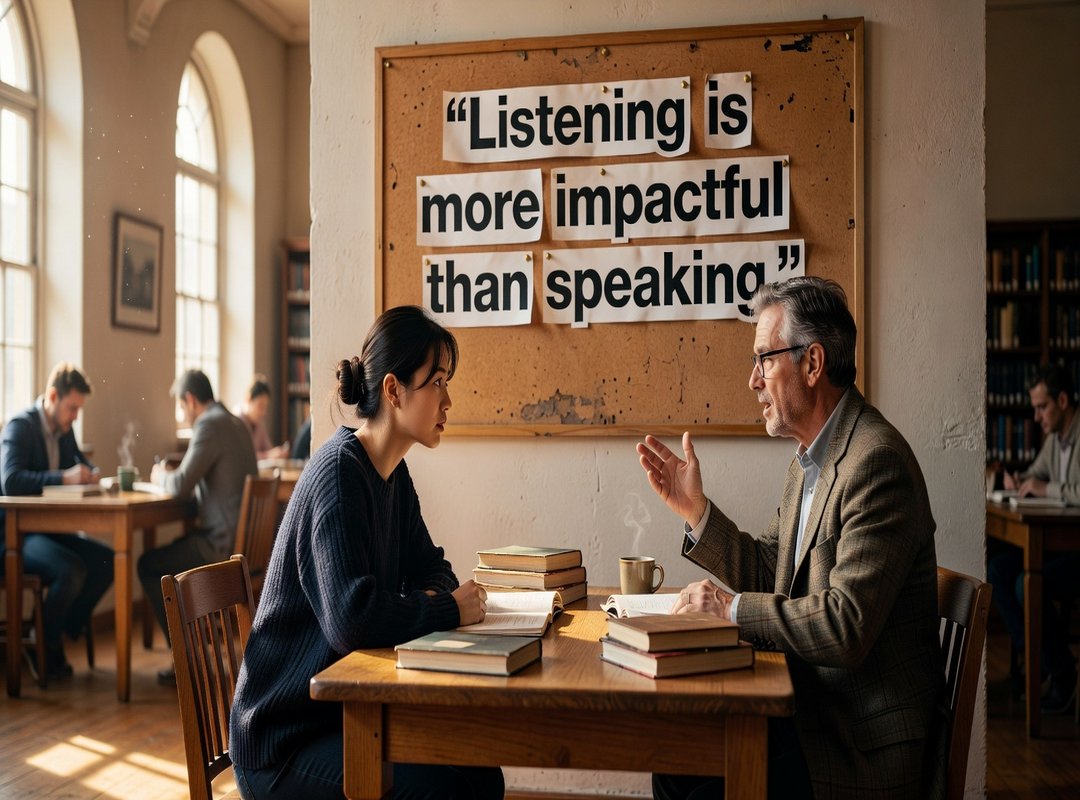
I used to think being social meant talking more.
Turns out, the people who stick in your mind are the ones who heard you.
Not just waited for their turn.
When I actually listen (no) phone, no script. I see people relax. Their shoulders drop.
They lean in.
That’s not magic. That’s respect.
You feel it too, right? When someone interrupts or stares at their watch while you’re speaking?
Don’t do that.
Nod. Hold eye contact. Ask one real question like “What happened next?” or “How’d that make you feel?”
If you’re rehearsing your reply while they talk. You’re not listening.
You’re just waiting.
Good listening builds trust faster than any joke or compliment.
It shows you care enough to stay quiet.
And quiet is where common ground hides.
I learned this the hard way. By losing conversations I thought I was winning.
Social Tips Excnsocial starts here: stop performing and start paying attention.
Excnsocial has more of this. No fluff, just what works.
Try it for one day.
Listen twice as much as you speak.
Tell me how it goes.
Body Language Speaks First
I watch people talk all day.
And ninety percent of what they’re really saying isn’t in their words.
You cross your arms. I assume you’re closed off. Even if you’re just cold.
(Which, by the way, is why I always check the thermostat before judging.)
Open posture matters. Uncross your arms. Face the person.
Don’t lean back like you’re waiting for the meeting to end.
Eye contact? Hold it long enough to say I see you, not long enough to make them check for crumbs on their face. Three seconds.
Blink. Look away. Repeat.
Smile with your eyes. Not the kind you force for photos. The one that crinkles the corners.
Because your brain actually likes the person.
Mirroring works (but) don’t copy like a robot. If they lean in, you lean in after a beat. If they gesture with their left hand, maybe you do too.
People feel safer around those who look like them. Even for a second. Even without meaning to.
Once. Do it twice and you’re doing improv.
This isn’t magic. It’s habit. It’s practice.
It’s noticing what your body does when you’re relaxed (and) doing that on purpose.
Want more real-world Social Tips Excnsocial?
Grab the full Social Guide Excnsocial (no) fluff, no jargon, just what actually works.
Your First Real Connection Starts Today
I’ve been where you are. That knot in your stomach before saying hello. The voice in your head saying they won’t care what you say.
It’s not about becoming someone else.
It’s about showing up. Just a little more often, just a little more open.
You will have off days. So will I. That’s normal.
That’s human.
The awkwardness doesn’t vanish overnight.
But it shrinks (every) time you ask a question, hold eye contact for three seconds, or walk into a room and say your name out loud.
You don’t need all the tips. Just one. Maybe two.
Pick the one that feels least scary (and) do it before Friday.
No grand gestures. No performance. Just you, showing up, once.
That’s how confidence builds. Not in leaps. In blinks.
In breaths. In hello.
You want real connection. Not small talk, not faking it, not scrolling instead of speaking.
Social Tips Excnsocial gives you the bare-minimum moves that actually work.
So stop waiting for “ready.”
You won’t feel ready.
You’ll just feel less afraid after you do it.
Go talk to someone today. Not perfectly. Not flawlessly.
Just honestly.
Then do it again tomorrow.
Your social life isn’t broken.
It’s waiting for you to press play.
Start now. Say something. To anyone.
That’s your next step.
Do it.
 Angelo Reynoldsick has opinions about expert insights. Informed ones, backed by real experience — but opinions nonetheless, and they doesn't try to disguise them as neutral observation. They thinks a lot of what gets written about Expert Insights, Effective Branding Strategies, Customer Engagement Techniques is either too cautious to be useful or too confident to be credible, and they's work tends to sit deliberately in the space between those two failure modes.
Reading Angelo's pieces, you get the sense of someone who has thought about this stuff seriously and arrived at actual conclusions — not just collected a range of perspectives and declined to pick one. That can be uncomfortable when they lands on something you disagree with. It's also why the writing is worth engaging with. Angelo isn't interested in telling people what they want to hear. They is interested in telling them what they actually thinks, with enough reasoning behind it that you can push back if you want to. That kind of intellectual honesty is rarer than it should be.
What Angelo is best at is the moment when a familiar topic reveals something unexpected — when the conventional wisdom turns out to be slightly off, or when a small shift in framing changes everything. They finds those moments consistently, which is why they's work tends to generate real discussion rather than just passive agreement.
Angelo Reynoldsick has opinions about expert insights. Informed ones, backed by real experience — but opinions nonetheless, and they doesn't try to disguise them as neutral observation. They thinks a lot of what gets written about Expert Insights, Effective Branding Strategies, Customer Engagement Techniques is either too cautious to be useful or too confident to be credible, and they's work tends to sit deliberately in the space between those two failure modes.
Reading Angelo's pieces, you get the sense of someone who has thought about this stuff seriously and arrived at actual conclusions — not just collected a range of perspectives and declined to pick one. That can be uncomfortable when they lands on something you disagree with. It's also why the writing is worth engaging with. Angelo isn't interested in telling people what they want to hear. They is interested in telling them what they actually thinks, with enough reasoning behind it that you can push back if you want to. That kind of intellectual honesty is rarer than it should be.
What Angelo is best at is the moment when a familiar topic reveals something unexpected — when the conventional wisdom turns out to be slightly off, or when a small shift in framing changes everything. They finds those moments consistently, which is why they's work tends to generate real discussion rather than just passive agreement.