I’ve watched stamp collectors stare at Stamp Listings Flpstampive and sigh.
Same thing every time.
You open the page. You see rows of numbers, codes, and terms you don’t know. You wonder: *Is this stamp rare?
Is it priced right? Why does this listing look different from eBay or HipStamp?*
Yeah. That’s not your fault. Flpstampive is new.
It’s not built for beginners. And most guides either talk down to you. Or assume you already know everything.
I’ve listed thousands of stamps online. I’ve used every major platform. I’ve also taught dozens of collectors how to read listings without second-guessing themselves.
This isn’t theory.
It’s what works (right) now. With real stamps and real buyers.
You’ll learn how to spot errors in listings. How to compare values fast. How to list your own stamps so people actually click.
No jargon. No fluff. Just clear steps you can use today.
What Flpstampive Actually Is
I use Flpstampive every week. It’s not magic. It’s a place to list your stamps (plain) and simple.
You type in what you have. Country. Year.
Condition. Maybe a photo. That’s it.
No spreadsheets. No sticky notes buried in three different albums. (Yes, I’ve done that.)
It solves the real problem: walking into your collection and thinking What do I even own?
Stamp Listings Flpstampive helps you see gaps. Spot duplicates. Know what’s rare before you overpay at a show.
I sold two 1950s Finnish airmails last month. Got fair prices because I knew their catalog numbers (and) so did the buyer.
You don’t need to be a pro. If you’ve got more than ten stamps, you’re already drowning without structure.
Flpstampive isn’t about hoarding data. It’s about owning your collection. Not the other way around.
Why keep guessing what’s worth holding?
Why wait until tax season to realize you lost track of fifty U.S. commemoratives?
Just start listing. One stamp. Then five.
Then twenty.
You’ll feel lighter.
Flpstampive Listings Decoded
I’ve seen people pay double for a stamp because they misread “Grade” as “Great.” (It’s not.)
Catalog Number is the stamp’s ID. Like a license plate. You’ll see it as “Scott #123” or “Michel 456.” It tells you exactly which stamp it is.
Condition means what shape it’s in. Not “good” or “bad”. Actual facts.
Is the gum intact? Are there creases? Did someone lick it wrong?
Grade is a score. Think 80/100, not A (F.) Mint Never Hinged is top-tier. Lightly Hinged?
Still fine. But “Poor”? That’s a stamp that’s been through a washing machine.
(Maybe literally.)
Perforation is the little holes around the edge. They’re measured like thread count (“11½) x 12.” Get it wrong and your stamp won’t match the catalog.
Watermark is a faint design pressed into the paper. Hold it to light. If you miss it, you might buy a common stamp thinking it’s rare.
You need all this to avoid overpaying. Or underselling. Stamp Listings Flpstampive aren’t menus.
They’re instruction manuals.
What’s the point of buying a “Fine” stamp if you don’t know what that means?
I once sold a stamp thinking “VF” meant “very fun.” (It doesn’t.)
Check the terms before you click “Buy.”
How to Actually Find Stamps on Flpstampive
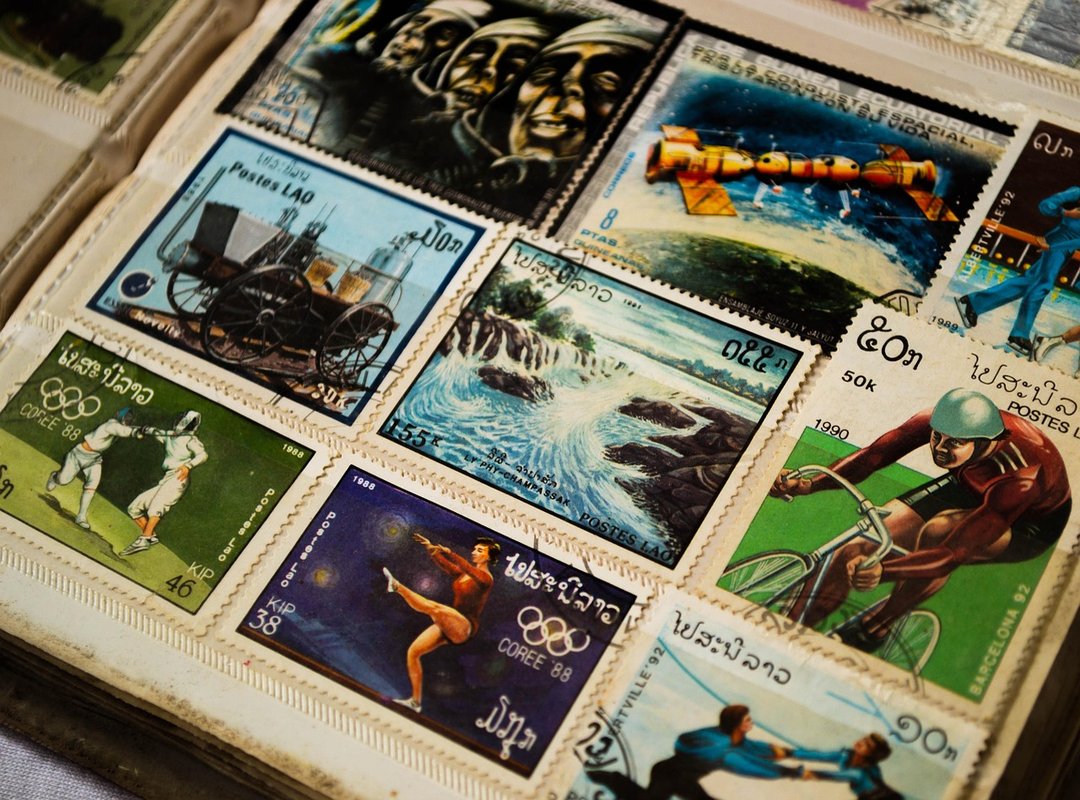
I type what I want. Not “rare 1930s German stamp” (that’s) garbage. I type “Germany 1934 Scott 212”.
You do the same.
Start with country and year. Add catalog number if you know it. That cuts noise fast.
Filters are not optional. They’re your first move.
Click “Condition” and pick only what you’ll buy. VG or better. No “average”.
That means something different to everyone.
Price range? Set it before you scroll. Not after you’ve stared at 47 pages.
Too many results? You over-searched. Or you didn’t use the catalog filter.
Scott, Michel, Yvert. Pick one and stick with it.
Feeling lost? Good. That means you’re not clicking randomly.
Stop. Go back. Type less.
The logo directory flpstampive shows exactly which catalogs each seller uses. (Yes, it matters.)
Sort by “newest first” only if you’re hunting fresh stock. Otherwise, sort by price. Low to high.
And scan the first 15.
Don’t trust “featured listings.” They’re paid. Not curated.
If you see “mint never hinged” but the photo shows hinge remnants? Close the tab.
Stamp Listings Flpstampive only works if you treat it like a tool. Not a magic box.
You want a 1952 Japan 5-yen? Type “Japan 1952 5 yen”. Hit enter.
Done.
No fluff. No filters first. Just search.
Then refine.
What’s the worst thing you’ve clicked on just because it said “rare”?
Stamp Condition Is Not Guesswork
I check Flpstampive first when I’m sizing up a stamp.
Not because it’s perfect (but) because it shows real photos, not stock images.
Condition grades like Fine, Very Fine, and Superb sound fancy. They’re not. Fine means visible flaws (creases,) thins, or hinge remnants. Very Fine has minor flaws, maybe one light crease. Superb? Almost no flaws.
No thins. No centering issues. You’d squint to find anything wrong.
Don’t trust the grade alone. Zoom in on every photo. Look at the perforations.
Check the gum on the back (if) it’s there. Ask yourself: Would I accept this on a postcard I mailed to my grandma?
Stamp Listings Flpstampive give you recent sale prices (not) just asking prices. Scroll down to “Sold Items” if it’s there. That tells you what people actually paid.
A “deal” is only a deal if the stamp matches the description. If the scan looks hazy or cropped tight, walk away. If the seller won’t answer a question about a corner bend (walk) faster.
You don’t need a loupe to spot trouble.
Just decent light and five seconds of attention.
Still unsure? This guide breaks down how to read logo directories and avoid mislabeled lots. learn more
You Got This
I remember staring at my first Stamp Listings Flpstampive page. Confused. Overwhelmed.
That “what even is a hingeless mint?” feeling? Yeah. You felt it too.
You don’t need more jargon. You needed clarity. So we cut through the noise.
Terms explained. Navigation stripped down. Evaluation made simple.
Knowledge isn’t magic. It’s just knowing what to look for (and) why it matters.
You already know how to spot a bad listing. You already know when something feels off. Now you’ve got the words and the confidence to act on it.
So stop hesitating. Stop second-guessing. Your next stamp is waiting.
Not in some vague “journey” (but) right there on Flpstampive.
Start listing. Start collecting. Start today.
Go to Flpstampive now and list your first stamp.
 Angelo Reynoldsick has opinions about expert insights. Informed ones, backed by real experience — but opinions nonetheless, and they doesn't try to disguise them as neutral observation. They thinks a lot of what gets written about Expert Insights, Effective Branding Strategies, Customer Engagement Techniques is either too cautious to be useful or too confident to be credible, and they's work tends to sit deliberately in the space between those two failure modes.
Reading Angelo's pieces, you get the sense of someone who has thought about this stuff seriously and arrived at actual conclusions — not just collected a range of perspectives and declined to pick one. That can be uncomfortable when they lands on something you disagree with. It's also why the writing is worth engaging with. Angelo isn't interested in telling people what they want to hear. They is interested in telling them what they actually thinks, with enough reasoning behind it that you can push back if you want to. That kind of intellectual honesty is rarer than it should be.
What Angelo is best at is the moment when a familiar topic reveals something unexpected — when the conventional wisdom turns out to be slightly off, or when a small shift in framing changes everything. They finds those moments consistently, which is why they's work tends to generate real discussion rather than just passive agreement.
Angelo Reynoldsick has opinions about expert insights. Informed ones, backed by real experience — but opinions nonetheless, and they doesn't try to disguise them as neutral observation. They thinks a lot of what gets written about Expert Insights, Effective Branding Strategies, Customer Engagement Techniques is either too cautious to be useful or too confident to be credible, and they's work tends to sit deliberately in the space between those two failure modes.
Reading Angelo's pieces, you get the sense of someone who has thought about this stuff seriously and arrived at actual conclusions — not just collected a range of perspectives and declined to pick one. That can be uncomfortable when they lands on something you disagree with. It's also why the writing is worth engaging with. Angelo isn't interested in telling people what they want to hear. They is interested in telling them what they actually thinks, with enough reasoning behind it that you can push back if you want to. That kind of intellectual honesty is rarer than it should be.
What Angelo is best at is the moment when a familiar topic reveals something unexpected — when the conventional wisdom turns out to be slightly off, or when a small shift in framing changes everything. They finds those moments consistently, which is why they's work tends to generate real discussion rather than just passive agreement.