
I used to hate digital stamp management.
It felt like digging through a drawer full of tangled cords. Every time I needed one file, I’d waste ten minutes searching.
You’re here because Stamp Library Flpstampive sounds important (it is) but also confusing (it shouldn’t be). Why does something this useful feel so clunky? Why do half the guides assume you already know what “FLP” stands for (or) worse, pretend it doesn’t matter?
I’ve spent years managing digital assets for real projects. Not demos, not theory. Not once did I get handed a perfect folder structure.
I broke things. I renamed things wrong. I lost stamps mid-project (yes, really).
This isn’t another vague overview. No definitions buried in jargon. No screenshots with tiny arrows pointing at nothing.
You’ll learn what the Stamp Library Flpstampive actually does, how it fits into your daily workflow, and where most people trip up (spoiler: it’s not your fault). By the end, you’ll open it without hesitation. You’ll find what you need in under ten seconds.
You’ll stop dreading file prep (and) start getting work done.
What the Stamp Library Flpstampive Actually Is
I call it the Stamp Library Flpstampive. And no, it’s not marketing jargon. It’s a real thing I use every day.
(Yes, it has a weird name. Just roll with it.)
It’s a database for digital stamps. Not postage. Think of a stamp as a unique fingerprint for a file (one) that proves what version it is, when it was made, and where it came from.
You drop a file in. It gets stamped. That stamp lives in the library.
Forever. Or until you delete it. (Which I rarely do.)
Why bother? Because without it, I waste time hunting down “final_final_v3_reallyfinal.pdf”. With it?
I type “Q4 budget” and get the exact stamped version I need.
Duplicates vanish. File integrity stays intact. You know the file hasn’t been tampered with (because) the stamp won’t match if it has.
It’s like a library. But instead of books on shelves, it holds ID cards for your files. One card per file.
No exceptions.
Need to see how it works? Check out Flpstampive.
I set mine up in 12 minutes. No config hell. No tutorials.
You’re probably wondering: Can it handle my messy folder structure? Yes.
Does it work offline? Nope. But it syncs fast when you’re back online.
Will it slow me down? Less than renaming a file does.
Stop guessing which version is right. Start stamping.
What Comes After Clicking Save
I used to lose hours hunting for files.
You know that feeling (opening) ten tabs, second-guessing folder names, clicking through versions named “final_v3_FINAL_really.”
Flpstampive fixes that.
It stamps every file with a verified identity (like) a notary for your digital stuff.
No more asking Is this the right one?
You’ll know. Because it’s stamped.
It organizes design assets so you stop digging through dated ZIPs. It tracks software versions without relying on hope or Slack threads. It keeps legal docs sorted and tamper-checked (not) just stored.
You think version control is only for coders? Wrong. Your marketing deck matters just as much as a Python script.
Security isn’t just passwords and firewalls.
It’s knowing no one slipped in a fake logo or swapped a contract clause.
Time saved isn’t theoretical.
It’s real minutes. Every day (reclaimed) from chaos.
The Stamp Library Flpstampive isn’t magic.
It’s just consistency, built in.
What’s the last file you wasted 12 minutes finding? Yeah. That one.
We’re moving past “save and pray.”
Next up: stamp and trust.
How to Find and Use a Stamp
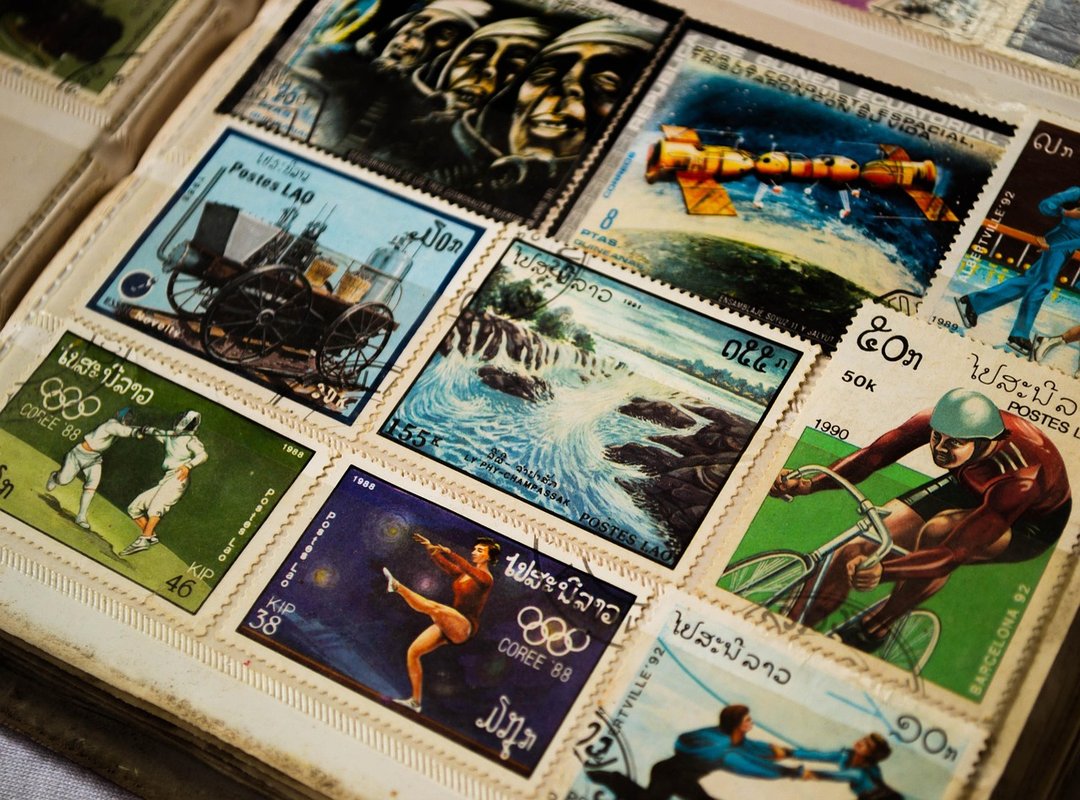
I open the Stamp Library Flpstampive and see three things right away: a search bar at the top, a list of stamps on the left, and a detail pane on the right. You do not need to memorize where everything lives. You just click.
Search for a stamp by typing any word you know (a) name, a number, even part of a filename. Filters pop up only when you need them. No dropdowns to dig through first.
Click any stamp in the list. The detail pane shows what matters: filename, creation date, version number, and who added it. (Yes, sometimes the version number is wrong.
Just edit it.)
Adding a new stamp? Click “+ New” and fill in the bare minimum: name and file. That’s it.
It goes into the library immediately.
Editing details is just as fast. Click the pencil icon next to any field. Type.
Hit enter. No save button. No confirmation pop-up.
(Thank god.)
Want to see how stamps actually work in real projects? Check out the Stamps flpstampive page. It shows live examples.
Not screenshots.
You’re not supposed to guess what a field means. If “origin ID” confuses you, hover over it. A plain-English definition appears.
Most people waste time looking for advanced features. They don’t exist yet. And that’s fine.
Stamp Smarter Not Harder
I name my files like I’m explaining them to a tired coworker.
Not “final_v3_stamp_2024_revised.”
Just “client-name-invoice-stamp.”
You’ll thank yourself later.
Tags beat folders every time.
I use “invoice,” “contract,” and “logo” (nothing) vague like “important” or “urgent.”
(If it’s urgent, just yell.)
Back up your Stamp Library Flpstampive weekly. Not “someday.” Not “after this project.”
Right now. Copy the folder.
Done.
Stamps missing? Check the file path first. Flpstampive doesn’t chase broken links.
It just shrugs. (Like me on Monday mornings.)
Wrong info showing up? Clear the cache. Then reimport the stamp.
Don’t tweak it live. Start fresh.
I link stamps straight into ClickUp and Notion. No copy-paste. No hunting.
Just drag, drop, go.
Less data = fewer mistakes. I delete old stamps every month. If it hasn’t been used in 90 days, it’s gone.
Clutter hides what matters.
You know that.
Need logo-ready stamps fast?
Check the Logo directory flpstampive.
Your Files Deserve Better Than Guesswork
I’ve seen what happens when people wing it with digital stamps. They waste time hunting for the right version. They mislabel things.
They second-guess themselves (every.) single. time.
You now know how the Stamp Library Flpstampive fixes that. It’s not magic. It’s structure.
It’s consistency. It’s knowing your files are where they should be (and) tagged right (without) checking three times.
You don’t need more tools. You need one that works without drama. Flpstampive does that.
You’re tired of digging through folders just to find a stamp you used last week. I get it. I’ve done it too.
So stop waiting for “someday” to fix your system.
Someday won’t stamp your files for you.
Open the library. Pick one folder. Apply one stamp.
Do it now (not) after lunch, not tomorrow.
Dive in and start organizing your digital world more effectively today!
 Angelo Reynoldsick has opinions about expert insights. Informed ones, backed by real experience — but opinions nonetheless, and they doesn't try to disguise them as neutral observation. They thinks a lot of what gets written about Expert Insights, Effective Branding Strategies, Customer Engagement Techniques is either too cautious to be useful or too confident to be credible, and they's work tends to sit deliberately in the space between those two failure modes.
Reading Angelo's pieces, you get the sense of someone who has thought about this stuff seriously and arrived at actual conclusions — not just collected a range of perspectives and declined to pick one. That can be uncomfortable when they lands on something you disagree with. It's also why the writing is worth engaging with. Angelo isn't interested in telling people what they want to hear. They is interested in telling them what they actually thinks, with enough reasoning behind it that you can push back if you want to. That kind of intellectual honesty is rarer than it should be.
What Angelo is best at is the moment when a familiar topic reveals something unexpected — when the conventional wisdom turns out to be slightly off, or when a small shift in framing changes everything. They finds those moments consistently, which is why they's work tends to generate real discussion rather than just passive agreement.
Angelo Reynoldsick has opinions about expert insights. Informed ones, backed by real experience — but opinions nonetheless, and they doesn't try to disguise them as neutral observation. They thinks a lot of what gets written about Expert Insights, Effective Branding Strategies, Customer Engagement Techniques is either too cautious to be useful or too confident to be credible, and they's work tends to sit deliberately in the space between those two failure modes.
Reading Angelo's pieces, you get the sense of someone who has thought about this stuff seriously and arrived at actual conclusions — not just collected a range of perspectives and declined to pick one. That can be uncomfortable when they lands on something you disagree with. It's also why the writing is worth engaging with. Angelo isn't interested in telling people what they want to hear. They is interested in telling them what they actually thinks, with enough reasoning behind it that you can push back if you want to. That kind of intellectual honesty is rarer than it should be.
What Angelo is best at is the moment when a familiar topic reveals something unexpected — when the conventional wisdom turns out to be slightly off, or when a small shift in framing changes everything. They finds those moments consistently, which is why they's work tends to generate real discussion rather than just passive agreement.