
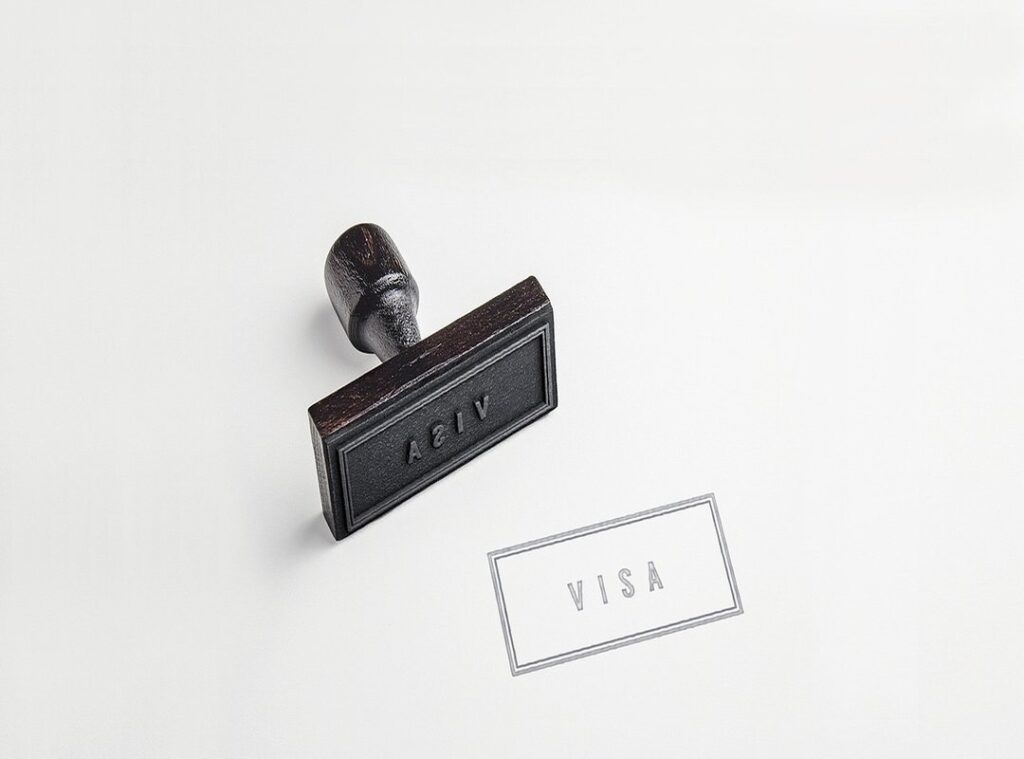
Every stamp is a miniature masterpiece.
A tiny window into a specific moment in history.
But here’s what nobody tells you: most stamps look the same until you know what to look for.
You’re staring at thousands of designs online. Wondering which ones matter. Which ones hold value.
Which ones tell a real story.
I’ve spent years studying Stamps Flpstampive. Not just catalog numbers. The people, politics, and printing errors behind them.
I’ve held the 1847 Mauritius “Post Office” stamp. Seen the 1918 US Inverted Jenny under glass. Watched collectors argue over a single shade of blue on a 1930s German issue.
This isn’t about guessing. It’s about seeing what’s actually there.
In this guide, I’ll show you how to spot iconic stamp designs (fast.) No fluff. No jargon. Just clear signals that separate legend from leftover mailroom stock.
You’ll walk away knowing exactly what makes a stamp worth keeping.
Stamp Design Isn’t About Age (It’s) About Craft
I’ve held stamps printed in 1850 and ones from last year. The old ones aren’t automatically valuable. Neither are the new ones.
What matters is how they’re made.
Engraving is bold. Real engraving means a human hand cut lines into steel. Every curve, every shadow, every hair on a president’s face (carved) by eye and muscle.
Modern photogravure? It’s smoother. Flatter.
Easier to mass-produce. But it lacks that bite.
You feel the difference when you run your finger over the stamp. That raised ink? That’s engraving.
That flat sheen? Probably photogravure. (And yes, collectors notice.)
Color errors matter more than most people think. The Inverted Jenny didn’t sell for $1.35 million because it was old. It sold because the blue biplane was printed upside down.
One sheet. One mistake. That’s all it took.
Subject matter shifts demand overnight. A stamp of Rosa Parks released the day after her death? Instantly sought.
A generic flower stamp from the same year? Not so much. History sticks to paper faster than glue.
Designers matter too. When Paul Rand sketched a postage stamp (he did), people paid attention. Not because he was famous for stamps (but) because his eye shaped how America saw itself.
Flpstampive tracks these details. Not just dates and countries (but) who engraved it, what press ran it, where the color bled.
Stamps Flpstampive isn’t about hoarding old paper. It’s about reading intention into tiny rectangles.
A stamp is a contract between maker and user. Break one rule. Misalign the color, skip the engraver’s signature, rush the plate.
And you change the whole deal.
I’ve seen collectors pass on pristine 19th-century issues because the reissue used cheaper ink. They knew.
Would you trust a $200 stamp that feels like a magazine ad?
Neither would I.
Stamps That Changed Everything
The Penny Black isn’t pretty by today’s standards.
It’s just a profile of Queen Victoria, black ink on white paper, no frills.
But it was the first adhesive postage stamp. Ever. That changed how mail worked.
And how people collected it.
I held one once. Not for long. It felt like holding the start of something real.
Not just paper. A system. A promise that mail would move.
The Mauritius ‘Post Office’ stamps? That’s where things get weird. A printer in 1847 misread the order.
Wrote “Post Office” instead of “Post Paid.”
Two words. One mistake. And suddenly you’ve got stamps so rare they sell for millions.
People argue about whether the error was careless or deliberate. I don’t care. What matters is that collectors believe in the story (and) that belief makes the stamp matter.
The Columbian Exposition series (1893) flipped the script again. No more stiff portraits. Now we got ships, explorers, allegorical figures (full) scenes printed in color.
This wasn’t just postage. It was propaganda. Celebration.
Art on a budget. And it opened the door for every commemorative stamp that followed.
Stamps Flpstampive? That’s not a term I use. It sounds like jargon slapped onto something real.
If you’re starting out, skip the buzzwords. Start with these three. Study them.
Handle reprints. Learn the paper, the gum, the plate flaws.
Pro tip: Buy a cheap Penny Black reprint and hold it next to a modern first-class stamp. Feel the weight difference. See how much smaller it is.
That contrast tells you more than any guidebook.
You want history? Here it is. Not in textbooks.
In your hands.
You think Queen Victoria knew she’d launch a hobby that lasts 184 years?
Neither did I (until) I saw my first genuine ‘Post Office’ in a glass case.
Stamps Aren’t Just Grandpa’s Hobby Anymore
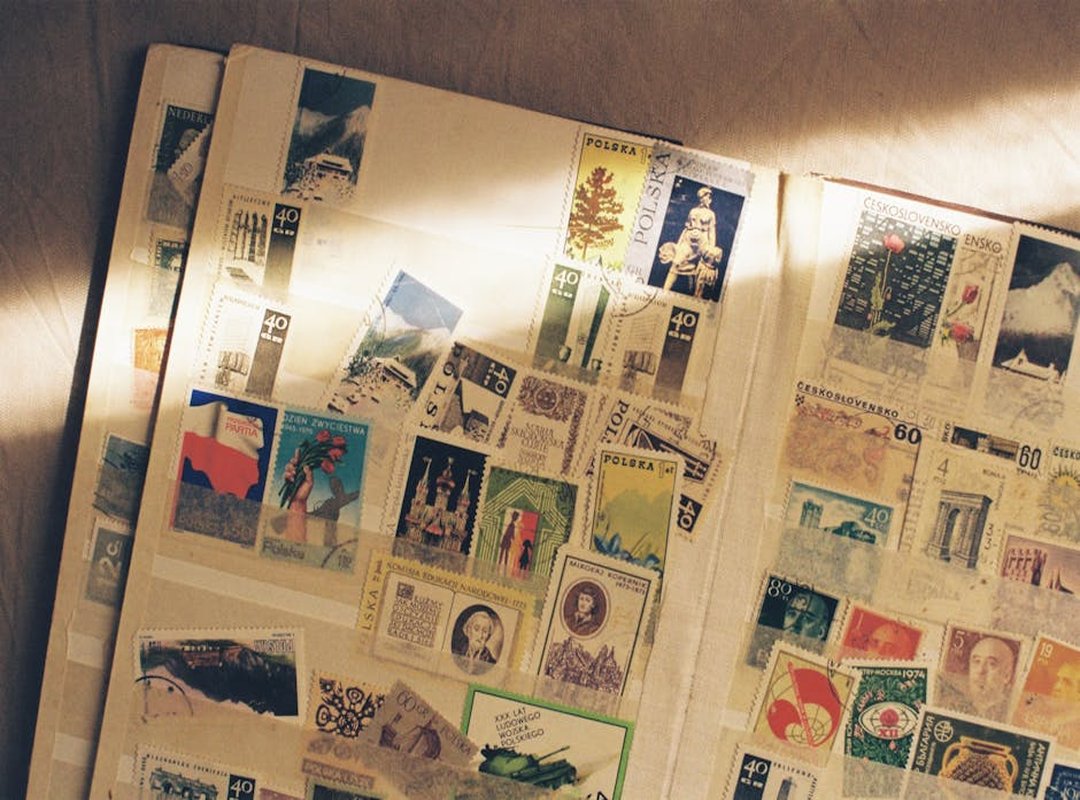
I used to think old stamps were the only ones that mattered. Then I saw a 2019 Star Wars set with foil-embossed lightsabers (and) realized I was dead wrong.
Modern stamp art isn’t “lesser.” It’s different. Bolder. Sometimes weirder.
Take holographic elements. The USPS released a Star Trek commemorative in 2022 where the Enterprise shifts color as you tilt it. No scanner needed.
Just light and physics. (Yes, I held it under my kitchen lamp for ten minutes.)
Non-rectangular shapes? Done. The UK issued a circular Harry Potter stamp in 2021.
No perforations, just clean die-cut edges. Collectors flipped.
Or because a design got pulled after one day due to a copyright error. (True story: Canada’s 2004 Looney Tunes stamp recall. Fewer than 300 survived.)
That’s where modern rarities come in. Not “rare” because they’re ancient. Rare because only 50,000 were printed.
You don’t need a magnifying glass and a ledger to start. You need curiosity. And maybe a decent light source.
Pop culture series aren’t gimmicks. They’re gateways. Teens who collect Stranger Things stamps today?
They’ll be bidding on 1930s airmails in 2045.
Stamps Flpstampive is real. Not every modern issue is valuable (but) some are already outpacing vintage counterparts in auction growth.
If you want proof, check how the Flpstampive project documents scarcity patterns across post-2000 issues (like) print-run verification and recall tracking. See how they track modern rarities.
I bought a 2023 Black Panther stamp last month. It cost $1.20. It’s already listed at $8.75 on two collector forums.
Your turn. What’s the first modern stamp you’d grab?
How to Spot Great Design in Stamps
I started with junk mail stamps. Then I got picky.
Look for sharp, clear printing first. Blurry lines mean bad plates or worn ink. You’ll see it instantly if you hold the stamp up to light.
Centering matters more than people admit. Off-center designs feel wrong (even) if you can’t say why.
Unusual colors? Yes. A bright orange 1930s airmail stamp jumps off the page.
(Most were dull blues and grays.)
Cancellations should add character (not) erase the art. A clean circular postmark is fine. A smudged black blob?
Pass.
Get a 10x magnifying glass. Not fancy. Just clear and steady.
Grab a basic catalog. You need context (not) price guesses.
I keep my go-to reference open next to me while sorting. It’s how I learned what “Stamps Flpstampive” really means.
Stamp library flpstampive has the clearest scans and plain-English notes for beginners.
Stamps Flpstampive Starts Here
You’re not lost. You’re just looking at stamps the wrong way.
That sea of designs? It’s overwhelming because nobody told you what to see.
I ignored the noise too. Until I learned how history, artistry, and rarity actually work together.
Stamps Flpstampive isn’t about hoarding. It’s about spotting the one that means something.
So pull out a few stamps you own. Or find three online right now.
Grab the checklist from earlier.
Pick one. Just one. Find its story.
Not the catalog number. The why behind it.
You’ll feel it click.
That first real connection? That’s when collecting stops being confusing (and) starts feeling like yours.
Exploring the Stamp Library Flpstampive can help deepen your understanding and appreciation of your collection.
Your turn. Go find that stamp.
 Angelo Reynoldsick has opinions about expert insights. Informed ones, backed by real experience — but opinions nonetheless, and they doesn't try to disguise them as neutral observation. They thinks a lot of what gets written about Expert Insights, Effective Branding Strategies, Customer Engagement Techniques is either too cautious to be useful or too confident to be credible, and they's work tends to sit deliberately in the space between those two failure modes.
Reading Angelo's pieces, you get the sense of someone who has thought about this stuff seriously and arrived at actual conclusions — not just collected a range of perspectives and declined to pick one. That can be uncomfortable when they lands on something you disagree with. It's also why the writing is worth engaging with. Angelo isn't interested in telling people what they want to hear. They is interested in telling them what they actually thinks, with enough reasoning behind it that you can push back if you want to. That kind of intellectual honesty is rarer than it should be.
What Angelo is best at is the moment when a familiar topic reveals something unexpected — when the conventional wisdom turns out to be slightly off, or when a small shift in framing changes everything. They finds those moments consistently, which is why they's work tends to generate real discussion rather than just passive agreement.
Angelo Reynoldsick has opinions about expert insights. Informed ones, backed by real experience — but opinions nonetheless, and they doesn't try to disguise them as neutral observation. They thinks a lot of what gets written about Expert Insights, Effective Branding Strategies, Customer Engagement Techniques is either too cautious to be useful or too confident to be credible, and they's work tends to sit deliberately in the space between those two failure modes.
Reading Angelo's pieces, you get the sense of someone who has thought about this stuff seriously and arrived at actual conclusions — not just collected a range of perspectives and declined to pick one. That can be uncomfortable when they lands on something you disagree with. It's also why the writing is worth engaging with. Angelo isn't interested in telling people what they want to hear. They is interested in telling them what they actually thinks, with enough reasoning behind it that you can push back if you want to. That kind of intellectual honesty is rarer than it should be.
What Angelo is best at is the moment when a familiar topic reveals something unexpected — when the conventional wisdom turns out to be slightly off, or when a small shift in framing changes everything. They finds those moments consistently, which is why they's work tends to generate real discussion rather than just passive agreement.